
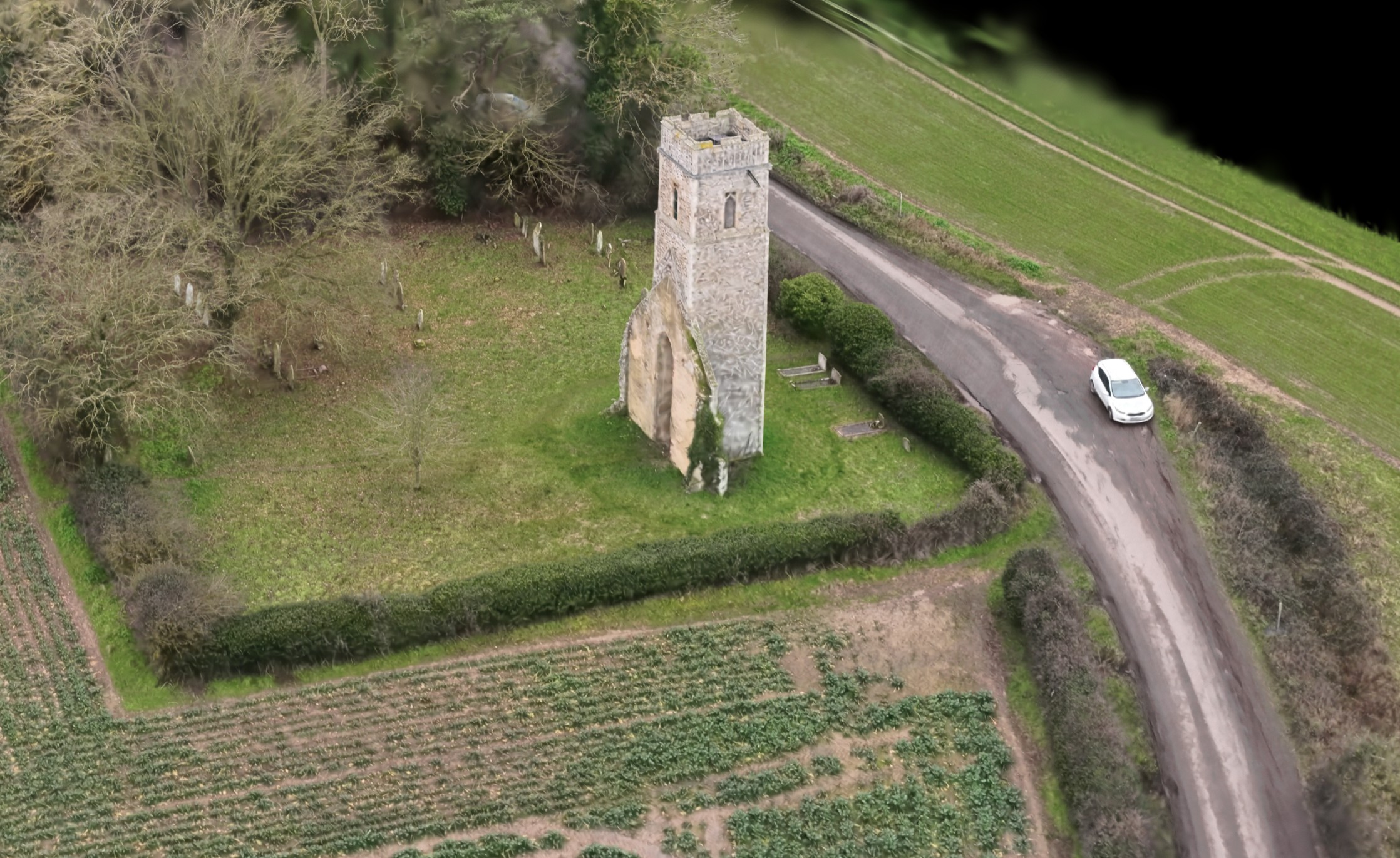
3D Gaussian Splatting (3DGS) is a rendering technique that builds a 3D scene from millions of optimised points rather than a traditional polygon mesh. Captured from drone or ground-based imagery, it produces a smoother, more realistic model that's lighter to render and faster to explore than conventional 3D.
For venues in real estate, hospitality, retail and events, that translates into a practical marketing tool: an interactive model customers can explore online before they ever visit in person. Used well, it shortens the gap between interest and a booking or enquiry.
Why it improves the customer experience
Static photography shows a venue; a 3DGS model lets someone move through it. Customers can examine layouts, lighting and finish quality at their own pace, building familiarity and confidence before they arrive. Because the model captures real lighting and material detail rather than a synthetic render, it avoids the flat, artificial look that puts people off traditional 3D walkthroughs.
That shift from passive viewing to active exploration tends to hold attention longer and answers the practical questions (layout, scale, atmosphere) that drive a booking decision.
Marketing applications
Beyond a standalone virtual tour, a 3DGS model supports:
- AR previews: customers visualise a space, exhibit or product through their phone before visiting
- Guided journeys: helping someone choose a seat, understand a floor plan, or picture an event layout
- Shareable content: immersive walkthroughs tend to perform well on social channels, extending organic reach
Because the model is a reusable digital asset, it can be updated for seasonal changes or new layouts without re-shooting, and distributed anywhere at no extra production cost, unlike printed signage or physical displays.
Targeting and measuring results
Most 3DGS platforms can track how people move through a model: where they linger, what they skip, and where they exit. That data helps refine which areas of a venue to highlight and which need better framing or more information.
To judge whether it's working, tie the model to measurable outcomes: a campaign-specific link, time spent in the tour, and enquiry or booking rate from visitors who used it. Treat those figures as the benchmark, not engagement alone.
Getting started
3DGS delivers on its promise when the capture is done properly: consistent lighting, sufficient image overlap, and processing on hardware capable of holding full detail at scale (see our guide to 3D Gaussian Splatting hardware requirements for what that involves). Done well, it gives a venue a durable digital asset that keeps working long after the shoot.